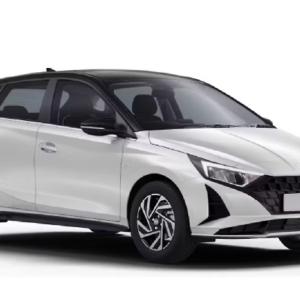
The Maruti Eeco is bought for very different reasons, from family transport to utility-led work, so its price should be judged against the exact seating and fuel configuration rather than against one generic “Eeco” figure. The current line-up remains simple, but the differences between 5-seat, 6-seat, air-conditioned and CNG versions materially change the purchase decision.
Current Eeco prices by useful configuration
The manufacturer currently lists the Eeco 5 Seater Standard from Rs. 5,28,400 ex-showroom, with higher prices for the 6-seat, air-conditioned and CNG versions. The price step is easiest to understand when each variant is tied to the capacity or operating benefit it adds.
The table below focuses on passenger-oriented versions rather than mixing them with specialised ambulance configurations. These are current ex-showroom reference prices, so registration, insurance and local charges will still affect the final amount paid.
| Variant | Fuel | Current ex-showroom price |
| 5 Seater Standard | Petrol | Rs. 5,28,400 |
| 6 Seater Standard | Petrol | Rs. 5,54,900 |
| 5 Seater AC | Petrol | Rs. 5,61,300 |
| 5 Seater AC CNG | CNG | Rs. 6,45,800 |
What the specification sheet says about everyday utility
Eeco uses a 1197 cc petrol engine and a 5-speed manual gearbox. The manufacturer lists 19.71 kmpl for petrol and 26.78 km/kg for the CNG version. Its tall body and compact footprint make dimensions especially relevant because buyers often need to balance passenger space with tight urban parking.
These core specifications are more useful for an maruti eeco buyer than a long feature list. They explain the vehicle’s basic packaging and why it continues to appeal to users who prioritise simple space efficiency.
| Specification | Current figure |
| Length | 3,675 mm |
| Width | 1,475 mm |
| Height | 1,825 mm |
| Wheelbase | 2,350 mm |
| Fuel tank | 32 litre |
| Petrol efficiency | 19.71 kmpl |
| CNG efficiency | 26.78 km/kg |
| Transmission | 5-speed manual |
When does the 6-seat version make more sense?
The 6-seat version is primarily about carrying capacity. If the vehicle regularly carries more passengers, paying the small premium over the 5-seat standard version can be easier to justify than adding accessories later. A family that normally travels with four or five occupants may prefer the 5-seat layout because it leaves a simpler cabin configuration and avoids paying for capacity that is rarely used.
The AC version is a comfort decision, not a cosmetic one
In many Indian cities, air-conditioning changes daily usability more than visual trim upgrades. If the Eeco will be used for school runs, family errands or commercial passenger movement, the 5 Seater AC can be a more rational step than the basic version even though the ex-showroom price is higher. The right way to judge the difference is by hours spent in the vehicle, not just the purchase gap.
When CNG can justify the higher price
The CNG variant costs more upfront, but its official km/kg figure can reduce fuel expense for high-running users. The calculation should use your local CNG price, expected monthly kilometres and the distance to a dependable filling station. A vehicle that spends time queuing or detouring for fuel may not deliver the operational saving suggested by the pump-price difference alone.
How ground clearance and dimensions should be interpreted
Buyers often search for Maruti Eeco ground clearance because the vehicle may travel on uneven local roads. Ground clearance is only one part of usability. Approach angle, tyre condition, load, wheelbase and suspension response also influence whether the vehicle touches tall speed breakers or rough surfaces.
If the Eeco will routinely carry passengers or goods, test it on the kind of road it will actually use. A short showroom drive on smooth tarmac cannot tell you how the vehicle feels with real load, narrow lanes or a steep parking ramp.
Ownership cost goes beyond the sticker price
Insurance, tyres, scheduled service and downtime matter for a utility-oriented vehicle because availability itself has value. Business users should ask the local workshop about service booking time and commonly replaced parts. Family buyers should pay similar attention to safety equipment, seating comfort and how easily older passengers can enter and exit.
Before you sign the invoice
Get the quotation in writing and check that it names the exact variant, fuel type and seating configuration. Separate optional accessories from mandatory charges. During pre-delivery inspection, check tyre dates, body panels, glass, lights, air-conditioning operation where fitted, warning lamps and all documents that will be submitted for registration.
Commercial users should measure downtime
For an Eeco used in business, a day off the road can cost more than a small difference in fuel economy. Ask the local workshop about service turnaround, common wear parts and appointment availability. This practical service access forms part of the vehicle’s economic value.
Conclusion
The Maruti Eeco price makes sense only when it is matched to the job the vehicle must do. The 5-seat standard version keeps cost low, the 6-seat version adds carrying capacity, AC improves everyday comfort, and CNG can reduce running cost for high-use buyers. Choose the configuration around real passenger, route and fuel needs rather than the lowest or highest price alone.